Cirrus Flight Training in Van Nuys
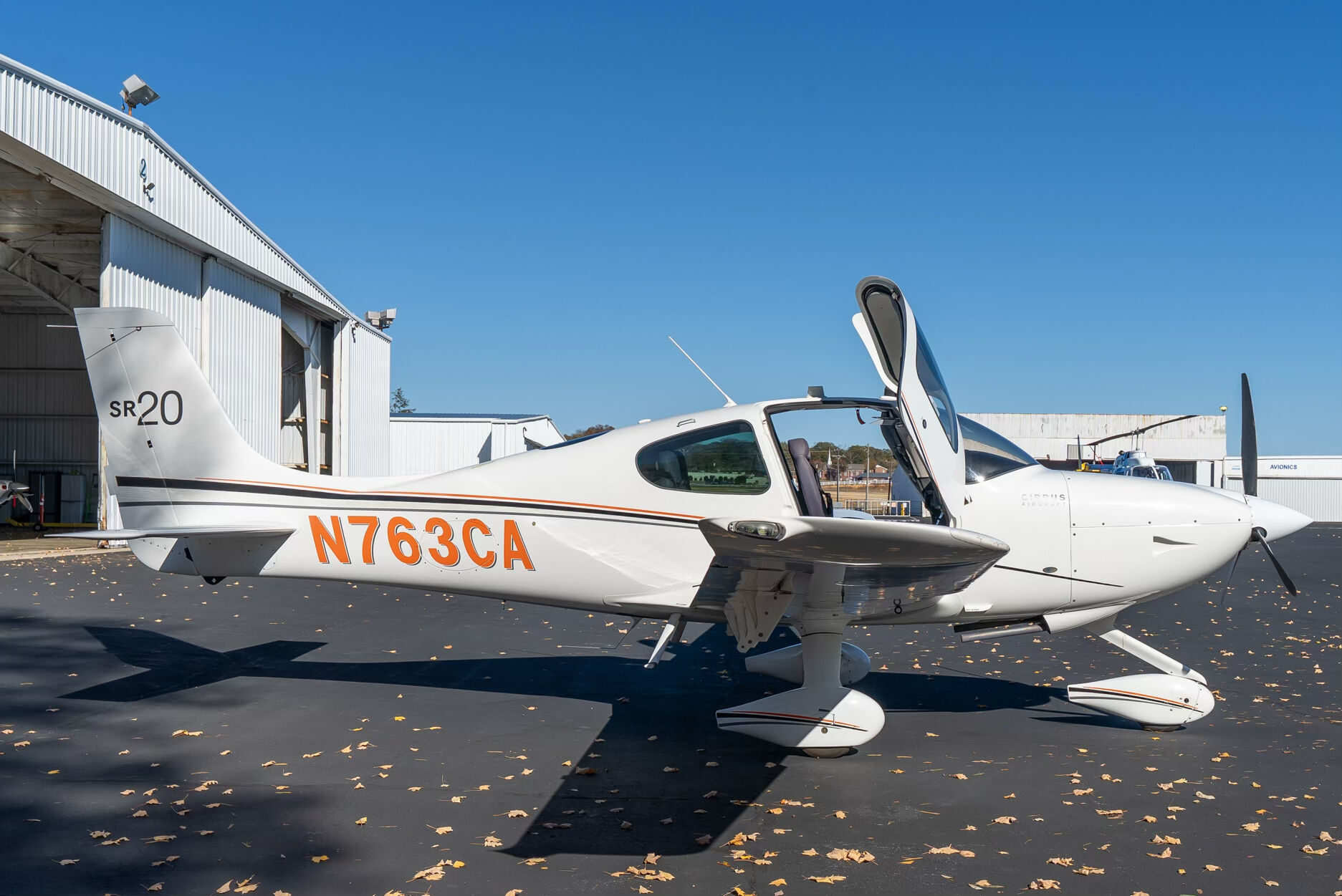
Learn to fly with confidence in a technologically advanced Cirrus aircraft featuring a glass cockpit, air conditioning, inflatable seat-belt airbags, active traffic display and the Cirrus Airframe Parachute System.
Why Learn to Fly in a Cirrus Airplane?
Start your training in an aircraft designed for the way modern pilots fly.
Our Cirrus airplanes give student pilots and experienced aviators the opportunity to develop strong stick-and-rudder skills while learning advanced cockpit management in a comfortable, capable aircraft.
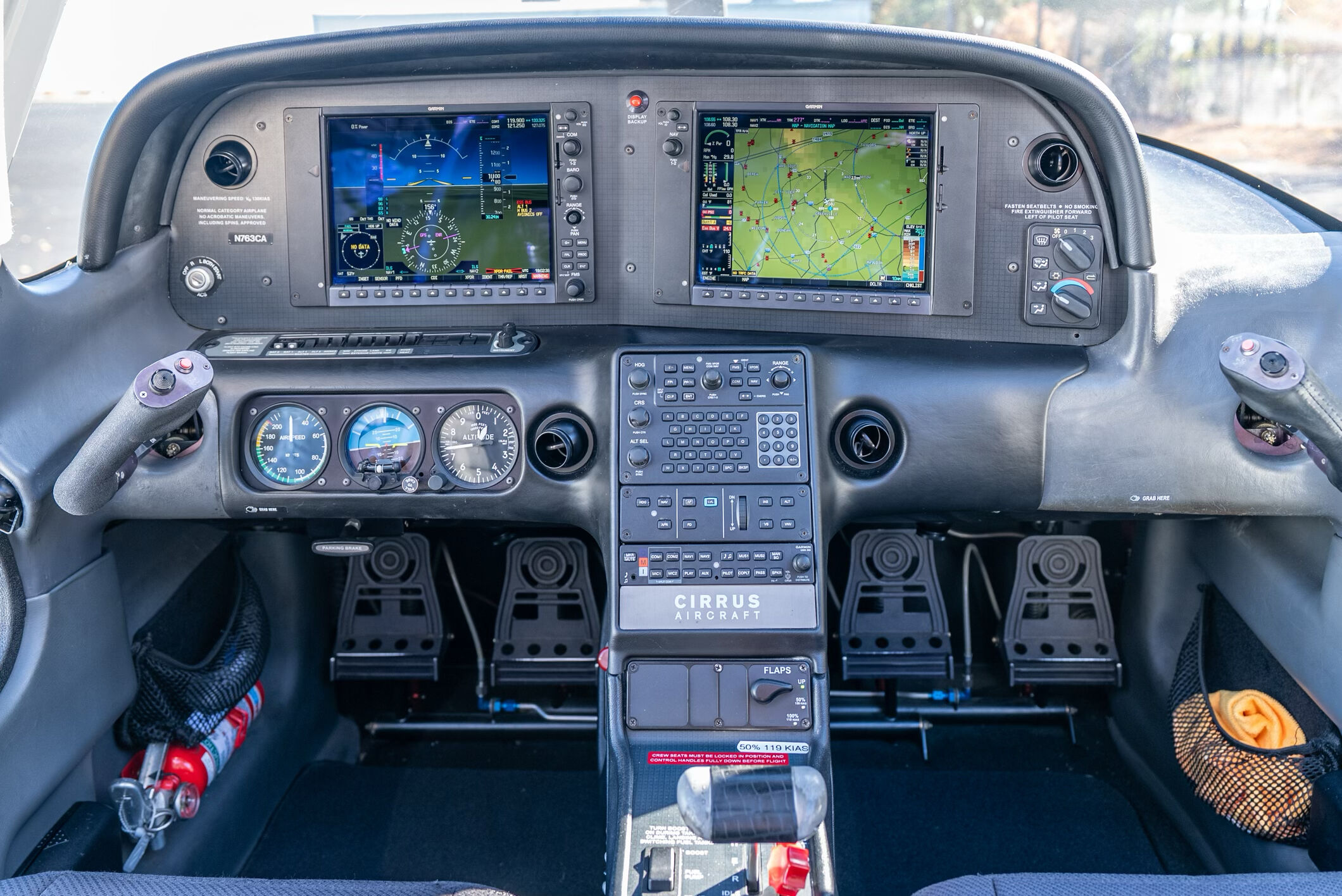
Advanced glass cockpit: Integrated flight, navigation, engine and situational-awareness information helps you learn organized instrument scanning and modern avionics workflows.
Active traffic display: Traffic information supports better situational awareness in Southern California’s busy airspace while instructors reinforce visual scanning and radio communication.
CAPS whole-aircraft parachute: The Cirrus Airframe Parachute System adds an important emergency option and is taught as part of a disciplined safety and decision-making process.
Inflatable seat-belt airbags: Four-point restraints with airbags are part of the aircraft’s occupant-protection design.
Air-conditioned cabin: Stay more comfortable and focused during warm-weather training at Van Nuys Airport.
A better transition to modern aviation: Build experience with checklists, avionics, automation, systems management and workload control—skills that transfer well to other technically advanced aircraft.
We offer flexible, pay-as-you-go training for private pilot students, instrument students and pilots seeking Cirrus transition, recurrent or proficiency training.
Cirrus Training Questions
Answers about the aircraft, its safety systems and the benefits of learning in a modern Cirrus.
New to aviation? Start with a discovery flight lesson. Working toward a certificate or rating? Explore our private pilot flight lessons and instrument rating course.
The Cirrus airplanes combine stable handling with a modern, technologically advanced cockpit. Students learn primary flight skills while becoming comfortable with glass-panel instrumentation, integrated navigation, traffic awareness and the operating habits used in today’s high-performance general aviation aircraft.
Yes. With structured instruction, the Cirrus is an excellent primary trainer for students who want to learn in a modern aircraft. Your instructor introduces the avionics and aircraft systems progressively so that basic aircraft control, checklist discipline and sound aeronautical decision-making remain the foundation of every lesson.
Our Cirrus airplanes include the Cirrus Airframe Parachute System (CAPS), four-point restraints with inflatable airbags, active traffic information and a glass cockpit that improves access to flight, engine and navigation information. These systems support safety, but they never replace good judgment, proficiency or proper instruction.
CAPS is the Cirrus Airframe Parachute System, a whole-aircraft emergency parachute designed for use in specific emergency situations. Cirrus training includes system knowledge, deployment decision-making and the importance of following the applicable operating procedures.
Active traffic equipment helps display nearby transponder-equipped aircraft and can improve traffic awareness. Students still learn to maintain an effective visual scan, communicate clearly and use traffic information as an additional situational-awareness tool rather than as a substitute for looking outside.
Yes. Air conditioning makes training more comfortable during warm Southern California weather, helping students stay focused during ground operations and in flight.
Yes. The Cirrus fleet can be used for private pilot training, instrument training, flight reviews, instrument proficiency work and Cirrus transition training, subject to aircraft availability and the requirements of your individual training program.
Training in the Cirrus builds familiarity with glass-cockpit displays, integrated avionics, advanced aircraft systems, checklist discipline and automation management. Those skills provide a strong foundation for transitioning to other modern technically advanced aircraft, although every aircraft requires model-specific training.